Look up at the right moment at The Alampara, and you might catch a bird slicing through the sky at astonishing speed. Another might be skimming the surface of the water before suddenly folding its wings and plunging beneath it. Both are impressive displays of aerial precision, but they’re performing two very different kinds of hunting.
Meet the swifts and terns that make birdwatching across our coastal reserve such a fascinating experience.
Spread across 50 acres, The Alampara’s private bird and butterfly reserve brings together backwaters, lagoons, sandy stretches and lush vegetation. This varied landscape creates opportunities to observe different bird behaviours, particularly among species that depend on the air and water to find their food.
And few birds demonstrate this relationship quite like swifts and terns.
The Swift: Built for Life on the Wing
Swifts are remarkable aerial insect hunters. With their long, narrow wings and streamlined bodies, they are exceptionally adapted to spending extended periods in flight. Rather than searching for food on the ground or in the water, they catch flying insects while airborne, sweeping through the sky with quick turns and sudden changes in direction.
Watch one closely and you’ll notice how little effort seems to go into each movement. A swift can change direction in an instant, adjusting its flight to follow tiny insects that are almost impossible to see from where you’re standing.
During The Alampara’s guided Nature Walk, which takes place from 9 AM to 10:30 AM, guests can explore the reserve’s foliage, water bodies and sandy clearings with our naturalist. Keep an eye on the open sky during the walk. A swift passing overhead is a wonderful opportunity to observe this aerial insect hunter in action.
The Tern: Master of the Plunge Dive
If swifts are built for catching insects in flight, terns have perfected the art of fishing from above.
Their slender wings, streamlined bodies and pointed bills make them highly capable fliers. When hunting, a tern may hover or circle above the water, watching for movement beneath the surface. Once it spots a suitable fish, it can make a swift, controlled plunge, entering the water bill-first to seize its prey.
It’s an incredible sequence to witness. One moment, the bird is suspended above the water, seemingly studying the surface. The next, it has disappeared into a splash, often emerging with a fish before taking off again.
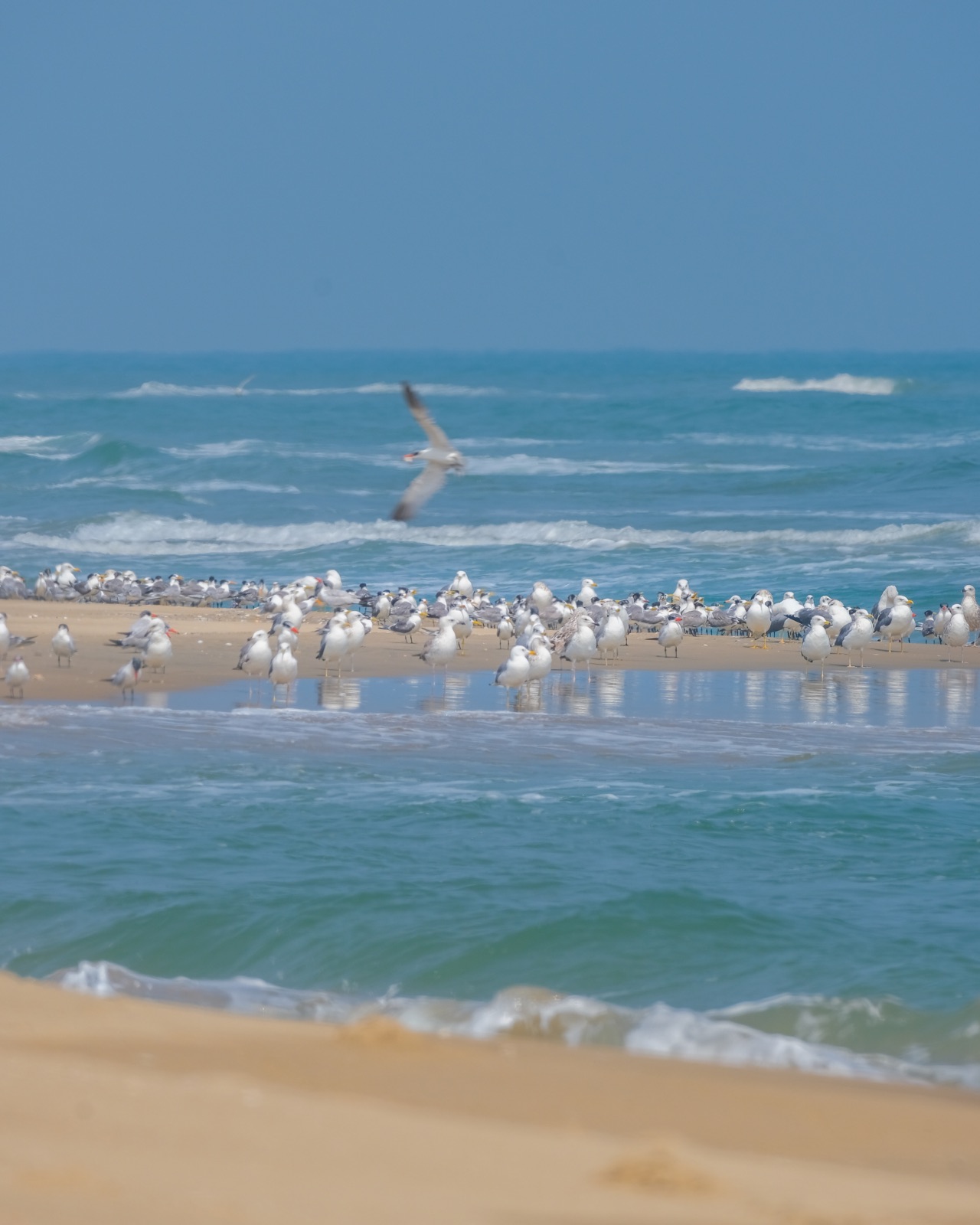
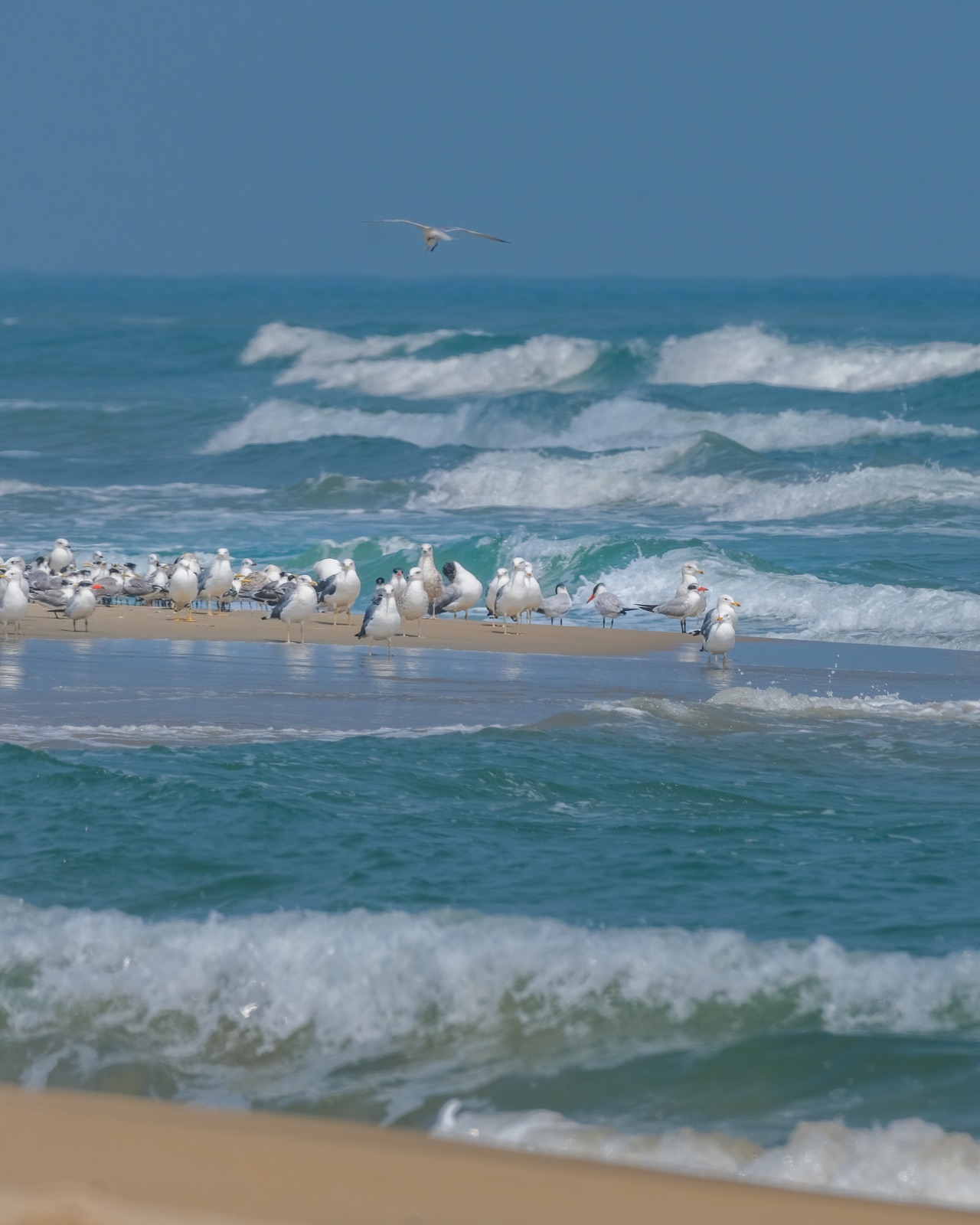
At The Alampara, our dedicated Terns on the Beach experience takes place between 12 PM and 1 PM. Equipped with binoculars, guests can observe these migratory visitors in their natural habitat and watch their aerial movements and fishing techniques up close.
Two Hunters, Two Very Different Techniques
What makes watching these birds particularly interesting is comparing their approaches. Swifts pursue insects in the open air, relying on speed and agility to catch tiny prey on the wing. Terns use the sky as a vantage point, scanning the water before making their dives. Both depend on exceptional vision, precise movement and an intimate relationship with their surroundings.
Our naturalist helps bring these differences to life, turning a bird sighting into an opportunity to understand the behaviour behind it. You’ll begin to notice more than just a flash of wings. You’ll see how a bird moves, where it searches for food and how its surroundings influence its behaviour.
For anyone passionate about birdwatching, these encounters offer a wonderful reason to spend more time exploring our reserve. And if you’re planning a luxury weekend stay near Chennai, our guided nature experiences give you another way to connect with the coastal landscape beyond your stay.
So bring your binoculars, keep your eyes on the sky and make room for a little patience. The best part of watching these aerial hunters is never knowing exactly when the next spectacular manoeuvre will happen.
Plan your visit: The Alampara is a private bird and butterfly reserve on the Coromandel Coast, between Chennai and Pondicherry. Contact us to plan your stay and the guided experiences that go with it.